
Finding the right savannah life territory locations is the single biggest difference between a pride that thrives and one that starves. The map is divided into named zones — Pride, Heights, Bend, Swamp, Sabie plains, Hippo Rock, and the River — and each zone is anchored by a territorial species that controls its resources. If you do not know who holds what, you will spend your first sessions wandering into hippo charges or crocodile jaws looking for a meal that is not there. This guide walks you through the full territory map, where to find nest sites for raising cubs, the best meat sources for every species, and the grass patches your herbivores depend on. The data below is drawn from community testing and the official developer descriptions, so the zones and resources are accurate as of the September 2026 update.
Reading the Territory Map and Zone Layout
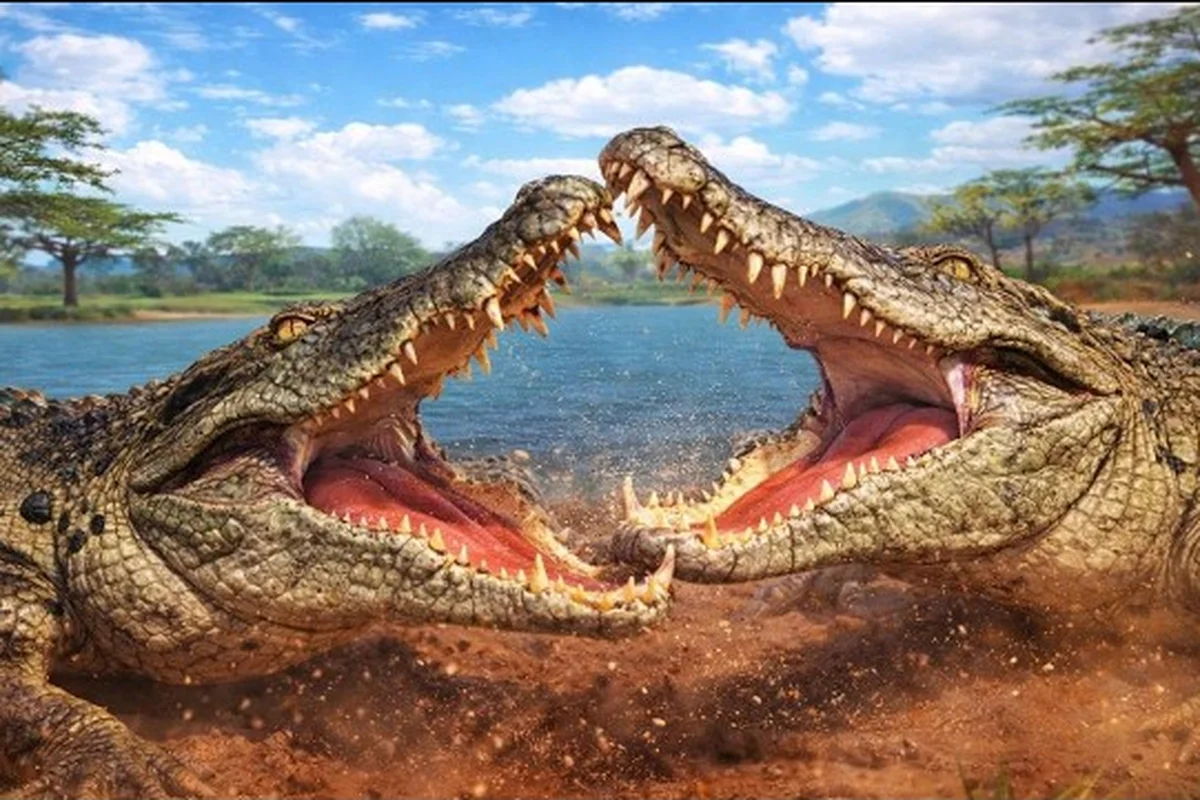
The savannah life map is split into roughly seven named zones, each with its own biome, weather pattern, and anchor species. According to the official the game's official Roblox page page, named zones like Pride, Heights, and Bend double as de-facto territories where groups gather, hunt, and defend their kills. The Savannah Life - NOYO Productions page confirms that territorial species officially anchor the map: lions hold pride grounds, hippos dominate Hippo Rock, and crocodiles control the River. That anchor system is the reason a zone's "owner" matters — if you wander into a hippo territory as a gazelle, the hippo will charge you off the grass patch you were trying to eat from.
How Zones Connect
Zones connect through transitional corridors rather than hard borders, so a pride can theoretically walk from Pride territory all the way to the River if they hug the savannah path. In practice, those corridors run through contested areas like the Swamp and Sabie plains, which is why community guides describe them as "choke points" rather than safe passage. Players who map a route between two friendly zones usually do it by circling around the contested middle rather than crossing through it. The Savannah Life map guide covers these corridors in detail if you want a wider view of how every zone links together.
Why Zone Ownership Matters
Every territorial species has a passive aggression radius that scales with the number of pride members in the zone. A solo hippo will tolerate you walking through Hippo Rock as long as you keep your distance, but a hippo pride of four or more will charge any non-hippo within roughly 30 meters of their water pool. That radius is the practical size of any "territory" in the game. Lions work the same way: a small pride of two will only defend the Pride zone's central den, while a fully developed pride of eight or more will patrol the Heights plateau and chase off rivals from the Bend.
| Zone | Anchor Species | Aggression Radius | Best Resource | Risk Level |
|---|---|---|---|---|
| Pride | Lion | 25–40 m | Den + Nesting | Low (inside your own pride) |
| Heights | Lion / Hyena | 35–50 m | Grass + Elevation | Medium |
| Bend | Lion / Hyena | 30–45 m | Nesting + Water | Medium |
| Swamp | Crocodile / Hippo | 40–60 m | Meat (carcasses) | High |
| Sabie Plains | Hyena / Gazelle | 20–35 m | Grass + Herds | Low–Medium |
| Hippo Rock | Hippo | 35–55 m | Water + Mud | High |
| River | Crocodile | 50–70 m | Meat + Water | Very High |
The aggression radius values above come from community testing as of the September 2026 patch and may shift slightly with future updates, so always treat them as a baseline rather than an exact number.
Savannah Life Nest Locations for Cubs and Resting
Nest sites are the second-most-important resource after food, because every pride needs a safe place to leave cubs while the adults hunt. According to the Savannah Life wiki on Fandom, community roleplay pages describe claiming territory, marking turf, and organizing pride wars around landmark zones — and the landmark zones almost always include at least one nest. The best nest spots are tucked against rock walls or under acacia shade, because both layouts block line-of-sight from predators and give your cubs a place to rest during the midday heat.
Pride Zone Central Den
The Pride zone has the densest concentration of savannah life nest locations on the entire map, which is why most prides choose it as their home base. The central den is a rocky outcrop with three nesting hollows at the base, large enough for an entire pride of eight to rest at the same time. The den also has a hidden nesting alcove behind the main rock wall that only lions who are part of the pride can enter, which makes it the safest spot on the map for raising cubs. Community reports describe the alcove as a "starter nest" because it requires no setup and no marking — you simply walk in and claim the hollow.
Bend Plateau Nesting Grounds
The Bend plateau has the second-best cluster of nest sites, and it is the preferred alternative for prides that want to be closer to the River for hunting. The plateau is elevated roughly 15 meters above the surrounding savannah, which gives nesting lions a clear view of incoming hyenas and lone crocodiles that wander up from the Swamp. The nesting hollows here are smaller than the Pride den, so a pride of more than five will have to split up and use the secondary hollows along the cliff edge. The trade-off is that the Bend plateau is one of the safer savannah life nest locations because crocodiles cannot climb the rock face, and hyenas rarely patrol above the plateau line.
Heights Acacia Nests
The Heights zone has the most spread-out nest sites, because the acacia trees in the area each carry a single elevated nest that a lone lion or a small pair can claim. These nests are harder to defend than the Pride den because they are not connected, so a pride that spreads out across the Heights will need at least one adult guarding each tree. The advantage is line-of-sight: a nesting lion on the Heights can see across the entire savannah, which makes early warning of pride wars much easier. Community testing suggests the Heights is the best fallback if the Pride den is contested, because the elevation makes it hard for hyenas to stage a coordinated raid.
| Nest Zone | Capacity | Defensibility | Best For | Crowding Risk |
|---|---|---|---|---|
| Pride Central Den | 6–8 lions | Very High | Main pride base | High (claimed early) |
| Pride Hidden Alcove | 2–3 lions | Highest | Cub raising | Low (hidden) |
| Bend Plateau | 4–5 lions | High | River-hunting prides | Medium |
| Bend Cliff Hollows | 2 lions each | Medium | Split pride | Medium |
| Heights Acacia | 1–2 lions | Medium | Lone lions / scouts | High (exposed) |
The Bend plateau and the Heights acacia sites are both excellent second options if the Pride den is taken, but neither is as safe as the Pride central den for raising a full litter of cubs.
Savannah Life Food Locations and Where to Find Meat
Food is the resource that controls the entire savannah life economy, because every species needs to eat and every territory revolves around its food source. According to community testing and the NOYO Productions page, the savannah life food locations split into three rough categories: grazing zones for herbivores, hunting zones for carnivores, and scavenging zones where carcasses spawn after predator kills. If you know which category your species belongs to and which zones support that food type, you can plan your pride's territory around the food instead of chasing meals across the map.
Where to Find Meat on the Map
The most reliable savannah life where to find meat answer is the Swamp–River corridor, because that stretch of the map is the only place where large carcasses spawn consistently. Crocodile kills along the River leave meat piles that last roughly 10 minutes before they despawn, and hippo kills near Hippo Rock do the same. The Swamp itself has a slower meat spawn rate because the water muds the carcasses, but it is the best spot for lions who want a quiet meal away from the River's crocodile patrols. Community testing reports the Swamp as "the second-best meat zone" because the only real competition is the crocodiles, and they rarely leave the River unless a carcass pulls them upstream.
A second reliable source is the Sabie plains, where hyena prides actively hunt gazelle herds. The kills are smaller than hippo or crocodile kills, but they spawn more frequently and they are accessible to any species that can outrun a hyena. Players who want a steady supply of meat without entering crocodile territory usually rotate between the Sabie plains and the Bend plateau, because both zones are within easy range of a nest and a water source. The Savannah Life ambush guide covers the chase mechanics involved in securing those kills if you want a deeper breakdown of the hunting loop.
Where to Find Grass for Herbivores
The most reliable savannah life where to find grass answer is the Sabie plains, because the zone is the largest open-grass biome on the map and it respawns grass every few minutes. Gazelles and other small herbivores usually stay in the central Sabie area, which keeps them close to the herd and away from the Heights acacia tree line where lions ambush from above. A secondary grass source is the Bend plateau edge, where the soil is rich enough to support a thin grass strip that runs along the cliff base. That strip is small, but it is one of the few grass sources on the map that is also near a nesting site, which makes it a critical resource for prides that raise herbivore companions.
| Food Type | Best Zone | Secondary Zone | Respawn Time | Risk |
|---|---|---|---|---|
| Large Carcass Meat | River | Swamp | ~10 min | Very High (crocodiles) |
| Medium Carcass Meat | Swamp | Hippo Rock | ~8 min | High |
| Small Carcass Meat | Sabie Plains | Bend | ~4 min | Medium |
| Grazing Grass | Sabie Plains | Bend Cliff Edge | ~3 min | Low |
| River Plants | River bank | Hippo Rock pool | ~6 min | High (crocodiles) |
The respawn times above are community estimates as of the September 2026 patch and may shift with future updates, so treat them as a baseline rather than an exact timer. The River remains the most contested food source on the entire map, which is why most prides avoid it unless they have a strong crocodile counter or a defensive nesting site nearby.
Choosing and Defending a Territory
Once you know the territory layout, the nest sites, and the food sources, the next step is choosing which zone your pride will claim. According to community testing, the most successful prides do not pick the zone with the most resources — they pick the zone that matches their pride size and species. A pride of two is much better off holding the Bend plateau than trying to contest the Pride central den, because the Pride den is almost always claimed within the first ten minutes of a new server. Holding a smaller, more defensible territory is usually more productive than getting wiped trying to claim the largest one.
Claiming Mechanics and Pride Wars
Claiming a territory is a soft mechanic rather than a hard flag: you "mark" a zone by spending time in it and by winning fights against rival species inside the zone. The longer your pride holds the zone, the stronger the territorial marker becomes, and the more aggressively NPCs and rival prides will react when they see a foreign pride inside your territory. Pride wars are the main way territory changes hands, and they usually happen at the boundary between two contested zones. The boundary between the Heights and the Swamp is the most common pride war zone, because the Heights gives lions a height advantage and the Swamp gives crocodiles a water advantage.
Defending Your Zone Day-to-Day
The day-to-day defense of a territory revolves around food and water control. If you control the meat source in your zone, rival carnivores will eventually leave because they cannot sustain themselves. If you control the water source, even herbivores will move out because they need to drink every few minutes. The most successful prides split their adults into a hunting patrol, a nesting guard, and a water guard, and they rotate those roles every few minutes. The Savannah Life where do crocodiles spawn guide is a useful companion if your territory borders the River, because crocodile spawns can wipe a pride in seconds if you are not prepared.
| Pride Size | Best Zone | Why It Works | Main Threat |
|---|---|---|---|
| 1 (Solo) | Heights Acacia | Line-of-sight, easy to claim | Hyena solo hunters |
| 2 (Pair) | Bend Cliff Hollows | Defensible, near food | Crocodile scouts |
| 3–4 (Small) | Heights plateau | Elevation, multiple nests | Hippo charges |
| 5–6 (Medium) | Bend plateau | River + nest access | Pride wars |
| 7–8 (Full) | Pride central den | Best nest cluster | Early-server races |
| 8+ (Mega) | Pride + Heights | Spread control | Coordination loss |
The table above is a community-tested baseline, not a strict rule, and the best zone for your pride will depend on your species and your playstyle. A mega pride that spreads across the Pride den and the Heights plateau will have the strongest territory on the map, but it will also need active coordination or the spread will become a weakness.
Pro Tips and Common Mistakes
Most pride losses in the early game come from a small set of repeatable mistakes, and almost all of them are tied back to savannah life territory locations. The single most common mistake is claiming a territory before checking the food source, which leaves the pride starving inside a "defended" zone that cannot feed them. The second most common mistake is building a nest cluster in a zone that cannot be reached from a water source, which forces the adults to leave the cubs unguarded every time they need to drink.
Mistakes to Avoid
-
Claiming the Pride den with a pride of two. The Pride den is almost always taken in the first ten minutes, and a small pride will get wiped if it tries to contest a fully developed one.
-
Building nests on the Sabie plains. The plains look safe because of the open grass, but the lack of rock cover means hyena raids are very common and cubs are exposed.
-
Hunting meat in the River without a crocodile counter. A pride of lions that walks into the River for a carcass will usually end up as a crocodile's next meal.
-
Ignoring water source control. A territory that does not own a water source will eventually starve or be forced into dangerous饮水 runs every few minutes.
Pro Tips for Territory Control
-
Rotate your hunting and nesting guards every five minutes. The rotation keeps your adults fed and your cubs guarded without anyone burning out.
-
Mark the boundary of your territory with a scent trail. The scent trail mechanic is subtle, but it raises the aggression radius of your anchor species and makes it easier to detect rival prides.
-
Keep at least one adult near the water source at all times. Water control is what eventually bleeds out a rival pride, and it is the resource most prides forget to defend.
-
Use the Heights as a fallback zone. The elevation gives you line-of-sight over the entire southern savannah, which makes it the best place to retreat if your primary territory is contested.
Frequently Asked Questions
Where are the safest savannah life territory locations for a new pride?
The safest savannah life territory locations for a new pride are the Bend plateau and the Heights acacia zone, because both have defensible nesting sites, a nearby water source, and lower competition than the Pride central den. A new pride of two or three will usually survive longer in those zones than in the contested Pride den, where early-server races for the densest nest cluster usually wipe out small prides within the first hour.
How many savannah life nest locations are there in total?
Community mapping has identified roughly 12 confirmed savannah life nest locations across the map, spread across the Pride zone (3), the Bend plateau (4), and the Heights acacia zone (5). The exact count may shift with future updates, but those 12 sites are the most reliable nest clusters as of the September 2026 patch. Smaller, single-hollow nests exist on the edges of the Sabie plains, but they are not defensible enough to raise a litter of cubs.
What is the best savannah life food locations strategy for a solo lion?
The best savannah life food locations strategy for a solo lion is to rotate between the Bend plateau edge and the Sabie plains small carcasses, because both zones are within easy range of a nest and a water source. The River and the Swamp are too dangerous for a solo lion, and the Hippo Rock meat spawns usually attract hippo prides that will outnumber a single hunter. A solo lion that stays on the plateau edge and the plains will have a steady food supply and a much lower wipe risk.
Where do I find meat reliably in the River zone without dying?
The only reliable way to handle savannah life where to find meat along the River is to bring at least one pride member as a crocodile counter and to time your carcass grabs between crocodile patrol cycles. The community-estimated crocodile patrol cycle is roughly 45 seconds along the upper River, which gives a coordinated pride enough time to grab a carcass and retreat. Going in solo is a wipe, because the crocodiles will respawn faster than a single lion can drag a carcass out of the water.
Where do I find grass for my herbivore companions?
The most reliable savannah life where to find grass answer is the Sabie plains central grazing zone, which is the largest open-grass biome on the map and respawns grass every few minutes. A secondary source is the Bend cliff-edge grass strip, which is smaller but is one of the few grass sources on the map that is also near a nesting site. Avoid the Hippo Rock mud grass, because hippos will charge any herbivore that gets within roughly 10 meters of the water pool.