
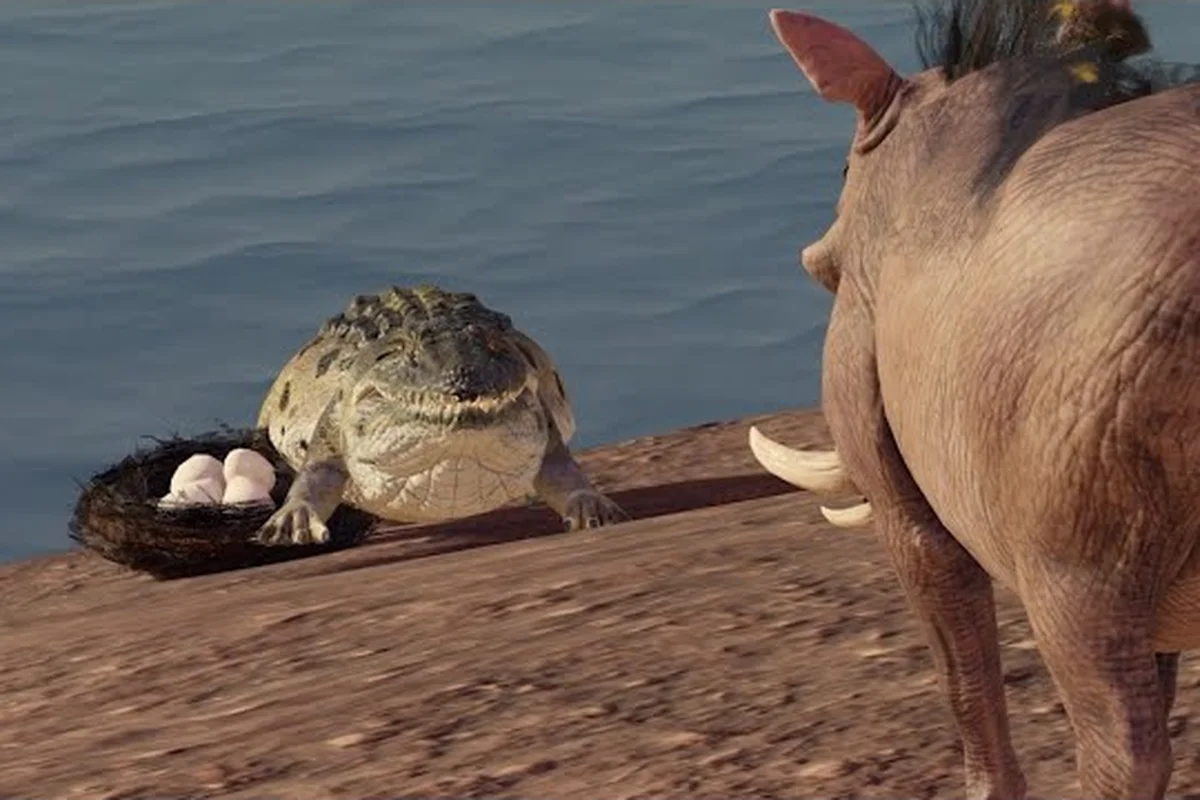
Family roleplay sits at the heart of Savannah Life, and the most asked question from new players is how to lay eggs, raise cubs, and earn the Full House badge. On the official Savannah Life Roblox page, the developer NOYO Productions describes the game as an African savannah animal simulator where players form prides, packs, and herds to survive together. Getting the next generation on the map requires specific nesting mechanics, breeding-pair courtship, and steady food runs through cooperative hunting, and this guide breaks down every step that community testing has confirmed.
Nesting, Breeding Pairs, and the Egg-Laying Process
The egg-laying path in Savannah Life is gated by species, nest placement, and pack status. According to community guides documented on CamCat Books, breeding pairs must first court each other through proximity, shared feeding, and mutual grooming, and egg-laying species cannot deposit eggs until a nest has been constructed at a valid spawn point. Live-bearing mammals such as lionesses, hyenas, and wild dogs skip the nest step and instead trigger a pregnancy timer before birthing cubs.
Valid Nest Locations and Species Eligibility
Not every animal can lay eggs. Only oviparous species (ostriches, certain birds, and reptiles added in recent updates) are eligible, and they need a soft ground tile to register a nest. The Mirage area contains a secret hole that players on the Savannah Life Facebook community repeatedly cite as the most reliable spot for spawning babies, because the surrounding grass tile meets the nesting requirement and the location stays shaded from server-event lightning strikes that can scatter eggs during Blood Moon weather.
| Species Type | Reproduction Method | Nest Required | Key Spawn Zone |
|---|---|---|---|
| Lioness | Live birth | No | Pride Rock basin |
| Hyena | Live birth | No | Mirage outskirts |
| African Wild Dog | Live birth | No | Acacia flats |
| Ostrich | Egg laying | Yes | Mirage secret hole |
| Reptile (added 2025) | Egg laying | Yes | Riverside dunes |
Before laying, both adults must remain within 15 meters of the nest for roughly 30 in-game seconds. The incubation timer then runs for 3 to 5 real-time minutes, depending on server population, because heavily populated servers accelerate the hatch cycle according to player reports.
Raising Cubs Through the Family Roleplay Phase
Once eggs hatch or live cubs drop, the real work begins. Raising cubs in Savannah Life demands constant feeding, hydration, and protection, because juveniles lose hunger and thirst at twice the rate of adults. This is where many new families stall, since one player cannot solo the workload during a Blood Moon event. The community-documented workflow recommends assigning roles: one player guards the den while the other runs a food loop, and the cycle flips every 10 minutes to keep both adults fed.
Feeding cubs uses the same R-key interaction as adult feeding, but cubs require smaller prey. A juvenile ostrich can be sustained on grasshoppers and small lizards, while lioness cubs need scraps from an adult kill. Water is consumed through the Q-key prompt at any river tile, and juveniles despawn if their thirst bar empties, so the den should always be placed within two screen-lengths of a water source.
From Egg to Adult: Growth Timers per Stage
| Stage | Duration | Hunger/Thirst Drain | Player Action |
|---|---|---|---|
| Newborn | 0-10 min | Triple rate | Constant bottle feeding |
| Juvenile | 10-30 min | Double rate | Shared food loop |
| Adolescent | 30-60 min | 1.5x rate | Hunting lessons |
| Adult | 60+ min | Normal rate | Independent play |
Players who want a deeper walkthrough of pride creation and pack formation can consult the Savannah Life family guide, which covers invitation commands and group territory control. Pairing that read with this cub-raising loop is the fastest path to a self-sufficient pride.
Cooperative Pack Hunting for Sustained Food
Feeding a full pride cannot rely on solo hunting, especially during Blood Moon nights when prey density drops. Savannah Life pack hunting rewards groups that coordinate role assignment: a flanker, a chaser, and a den guard. The chaser initiates the Q-key aggro, the flanker circles to cut off escape routes, and the guard retreats to the den if any adult's health drops below 30 percent. Community testing posted on TikTok Savannah Life clips shows that three-player coordinated hunts finish a zebra kill in roughly 45 seconds, while solo attempts often fail because prey flees at full speed toward the savannah edge.
The Full House badge specifically tracks adult animals within a single family group, so maintaining a population of 6+ healthy adults requires a steady supply of meat. Cooperative hunting therefore feeds two systems at once: the immediate hunger/thirst bars and the long-term badge counter. The Savannah Life hunting guide details aggro windows and stamina management, which are essential when more than one predator shares a kill.
Pack Role Comparison
| Role | Primary Action | Risk Level | Reward |
|---|---|---|---|
| Chaser | Initiates aggro, deals first damage | High | Largest XP share |
| Flanker | Cuts off escape, secondary damage | Medium | Steady XP |
| Den Guard | Protects cubs, retrieves leftovers | Low | Food security |
| Scout | Marks prey location, calls retreat | Low | Survival rate boost |
Unlocking the Full House Badge
The Full House badge in Savannah Life activates when a family group sustains 6 or more simultaneously living adult animals. The badge is family-wide, meaning every contributing member receives the unlock, but it does require that all six adults survive the next server event. Blood Moon events occur roughly every 45 real-time minutes and cause random player damage, which can wipe an underprepared family. Community testing indicates that placing the den inside a shaded rock overhang during Blood Moon is the single most reliable defense.
Players who pair the Full House grind with cooperative hunting loops typically finish the badge within a single 2-hour session. The key is rotating pack roles so no single player burns out, because hunger and thirst drain faster when a player is on constant aggro duty. Keep at least two extra adults in reserve, fed and watered, so that if one adult dies during an event, the family can recover above the 6-animal threshold before the next event timer expires.
Full House Badge Requirements vs. Other Family Badges
| Badge | Trigger | Difficulty | Typical Time |
|---|---|---|---|
| Full House | 6+ adults in one family | High | 1.5-2 hours |
| Mother and Cubs | Birth 1 cub and survive 30 min | Low | 20 minutes |
| Pride Builder | Invite 5 unique players | Medium | 30 minutes |
| Pack Survivor | Survive 1 Blood Moon together | Medium | 45 minutes |
For context on how family badges compare to solo survival achievements, the Savannah Life survivor badges page maps 100-hour milestones, which are useful for badge hunters who want to chain survival and family objectives in the same play session.
Advanced Family Strategy and Event Timing
Veteran Savannah Life families time their cub births around the server event cycle. Because incubation takes 3 to 5 real-time minutes and Blood Moon triggers every 45 minutes, scheduling a hatch so cubs reach juvenile stage right before an event is the cleanest pattern: the family can shelter through the storm with a healthy buffer, and the Full House counter ticks up before any death can reset progress. Coordinating this across multiple players requires the in-game group chat, which most families supplement with out-of-game Discord voice.
Another advanced tactic involves species mixing. A pride of lionesses can coexist with a subordinate clan of hyenas if the territory is large enough, and ostrich nests can be placed near the pride den because ostriches are non-aggressive. This stacking gives the family a larger adult pool for Full House without expanding the hunting burden proportionally, since the ostriches graze on grass rather than competing for meat. The Savannah Life solitary vs group animals breakdown offers a clear comparison of which species tolerate mixed-family play and which demand solo territory.
Players who want to track their badge progress across sessions can use the Savannah Life tester badge reference, which explains how the leaderboard displays family size and event-survival counts. Cross-referencing that data helps families decide when to push for Full House and when to back off and rebuild.
Frequently Asked Questions
What is the simplest way to lay eggs in Savannah Life?
Pick an ostrich or a reptile species, find the Mirage secret hole reported by the community, build a nest at the soft grass tile, and stay within 15 meters of your partner for 30 seconds. The eggs will spawn and hatch after 3 to 5 minutes of incubation, and this method is the most reliable entry point for new families learning how to lay eggs.
Do both adults need to be online for cub raising to work?
Yes, because cubs lose hunger and thirst at double the normal rate and one player cannot feed, water, and guard simultaneously. Community testing shows that families with two active adults hit the Full House badge almost twice as fast as solo-raised prides.
How does the Full House badge counter reset?
The counter resets if your family group drops below 6 living adults at any moment, including during Blood Moon events. Keep a den guard posted and rotate pack roles so a death does not wipe the entire family before you can recover.
Can different species share a family for the badge?
Yes, lionesses, hyenas, and ostriches can coexist on a large territory and all count toward the Full House adult total. The game treats any same-group animal as a family member for badge purposes, so mixed-species prides actually speed up the unlock.
Is cooperative pack hunting required for the badge?
It is not strictly required, but solo hunting cannot sustain a 6-adult family through a Blood Moon without burning out. Pack roles distribute the aggro load, keep the den defended, and ensure the food loop continues even when one player takes damage.